
Private Label Rights
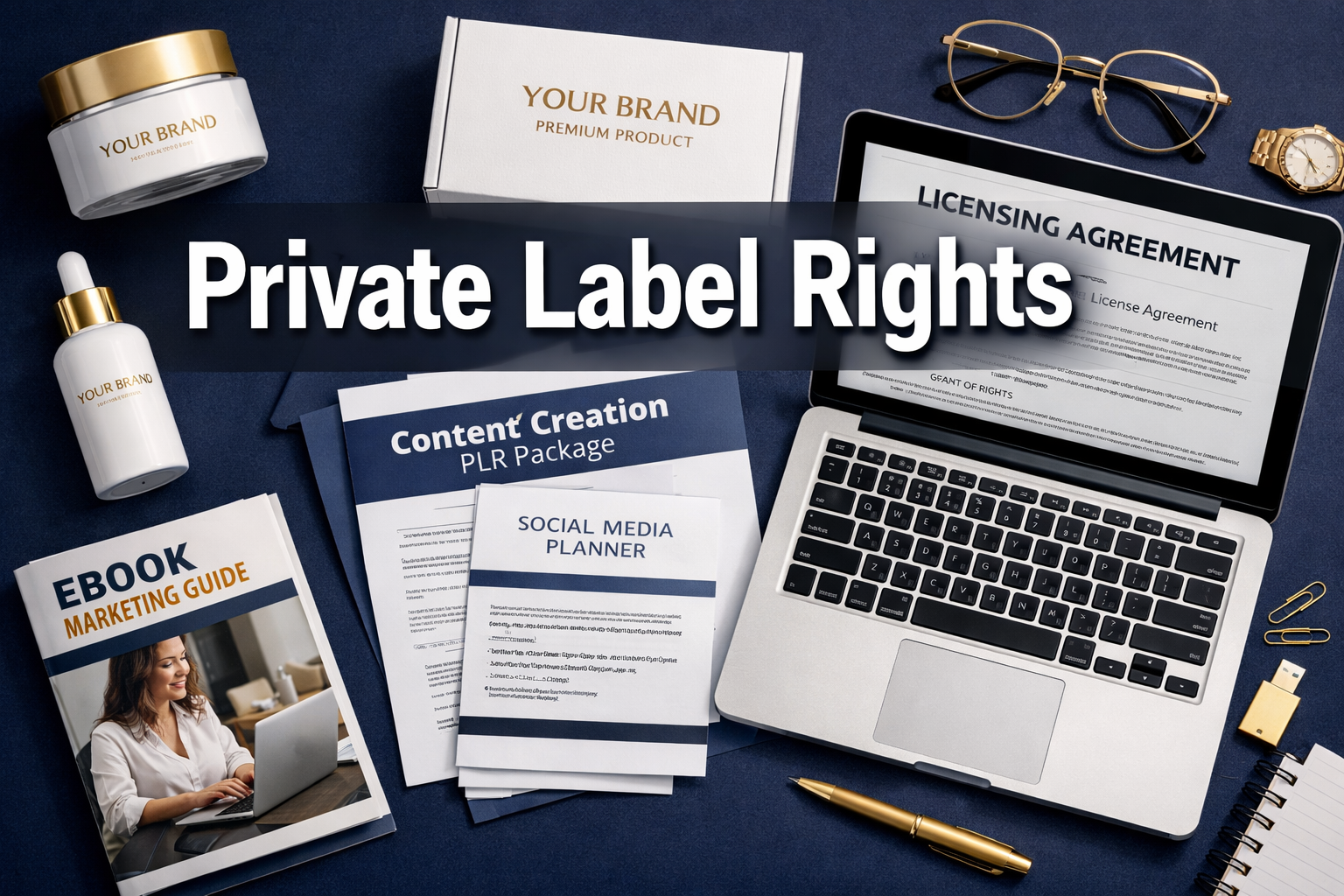
Imagine buying a fully written eBook, slapping your name on it as the author, and selling it to thousands of customers — all completely legally. That is exactly what Private Label Rights (PLR) make possible, and in 2026, this licensing model has become one of the most powerful shortcuts in digital marketing and content creation.
Key Takeaways 📌
- Private Label Rights allow buyers to edit, rebrand, and often resell content as their own.
- PLR content comes in many formats: eBooks, articles, videos, software, and more.
- Not all PLR licenses are equal — always read the terms carefully before use.
- Quality varies widely; editing and customizing PLR content is essential for credibility.
- PLR can dramatically cut content creation time and costs when used strategically.
What Are Private Label Rights?
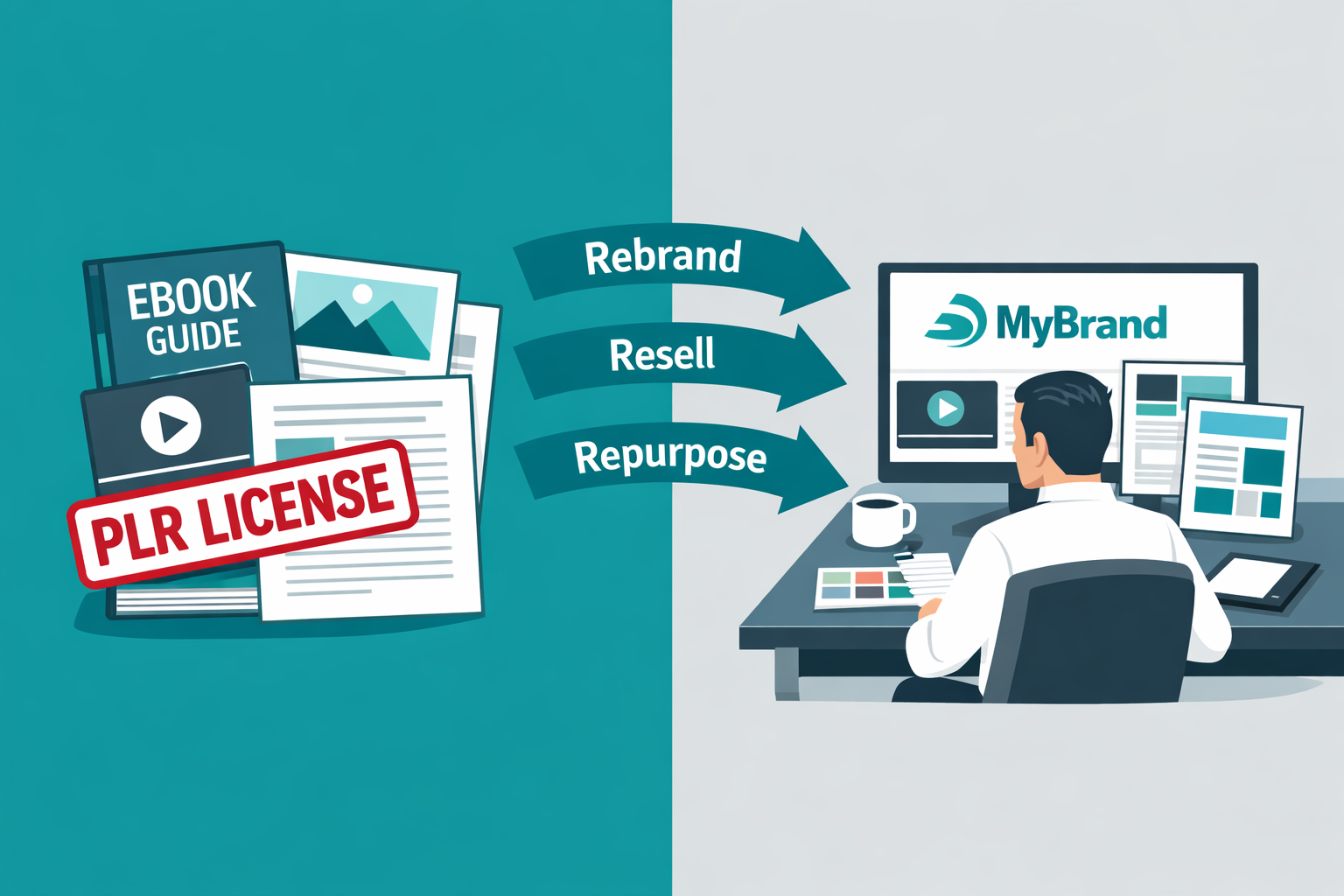
Private Label Rights (PLR) is a type of content licensing that grants the buyer broad permissions to modify, rebrand, and redistribute a piece of content as if they created it themselves. The term originates from the manufacturing world, where retailers buy generic products and sell them under their own brand name.
In the digital space, PLR works the same way. A content creator produces an asset — an article, an online course, a software tool — and sells the rights to multiple buyers. Each buyer can then customize and publish that content under their own name or brand.
💡 “PLR is essentially a content shortcut — but like any shortcut, its value depends entirely on how you use it.”
How Private Label Rights Differ From Other Licenses
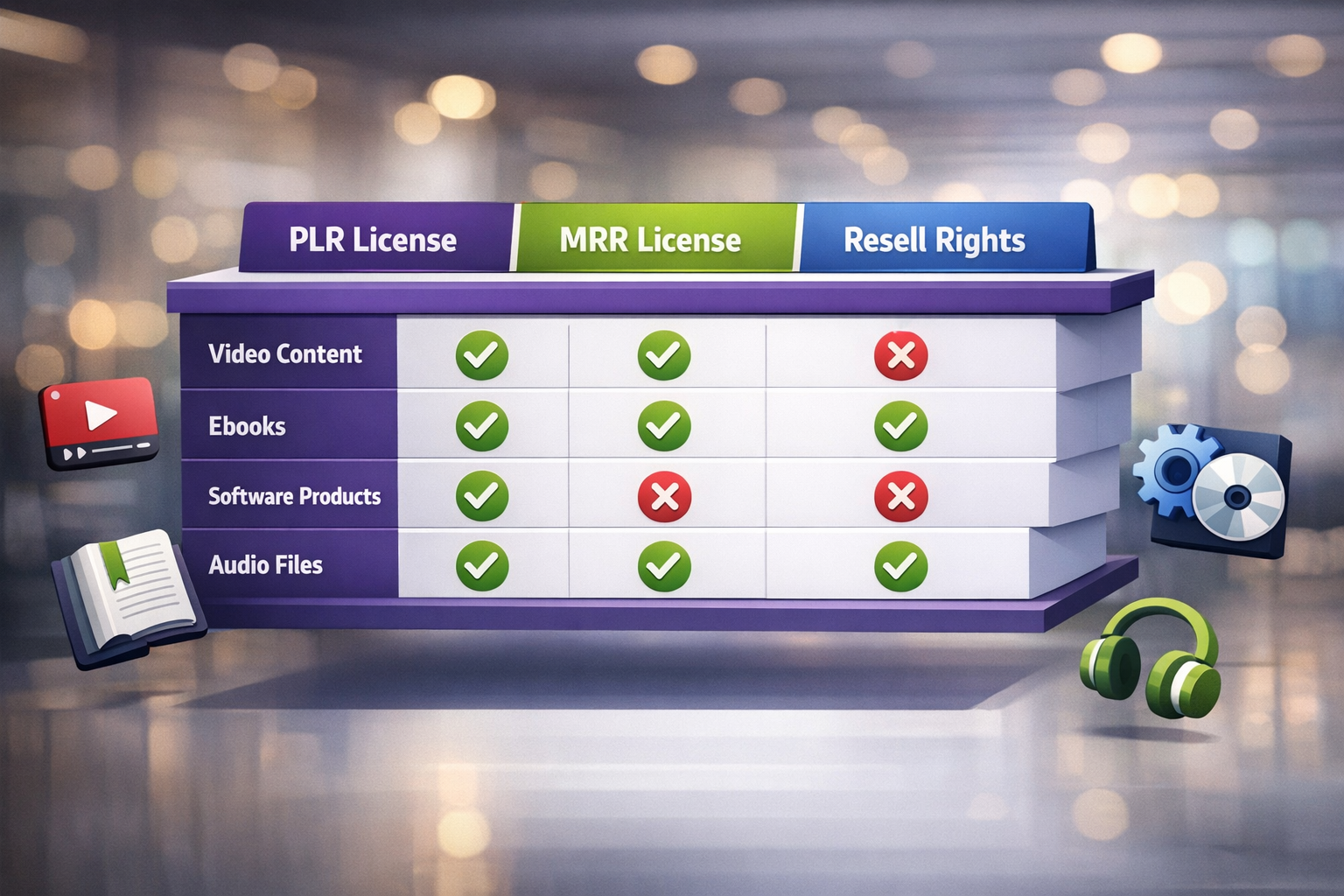
Understanding PLR means knowing how it stacks up against similar licensing models. Here is a quick comparison:
| License Type | Edit Content? | Put Your Name On It? | Resell Rights? | Give Away Free? |
|---|---|---|---|---|
| Private Label Rights (PLR) | ✅ Yes | ✅ Yes | Usually ✅ | Usually ✅ |
| Master Resell Rights (MRR) | ❌ No | ❌ No | ✅ Yes | ❌ No |
| Resell Rights (RR) | ❌ No | ❌ No | ✅ Yes | ❌ No |
| Personal Use Only | ❌ No | ❌ No | ❌ No | ❌ No |
The key differentiator is editability and authorship. PLR gives the buyer the most flexibility of any licensing model.
Common Formats of PLR Content
PLR products come in a wide variety of formats, including:
- 📄 Articles and blog posts
- 📚 eBooks and reports
- 🎥 Video courses and tutorials
- 🎧 Audio content and podcasts
- 🖼️ Graphics, templates, and infographics
- 💻 Software and apps
- 📧 Email sequences and autoresponders
How Private Label Rights Licensing Actually Works
The mechanics of a PLR transaction are straightforward. A PLR seller (also called a PLR provider) creates content and sells it to multiple buyers, often at a low price point. The seller retains the original copyright but grants each buyer a license to use the content in specific ways.
Reading the License Terms ⚠️
This is the most critical step that many buyers skip. Not all PLR licenses grant the same permissions. Before using any PLR content, check for:
- Can you edit the content? (Almost always yes with true PLR)
- Can you claim authorship? (Usually yes)
- Can you resell it? (Check carefully — some restrict this)
- Can you give it away for free? (Often yes, but verify)
- Can you use it on membership sites? (Varies by provider)
- Are there restrictions on splitting the content? (Some bundles cannot be broken apart)
⚠️ Always read the license agreement before publishing or selling any PLR product. Violating terms can expose you to legal liability.
Where to Find Private Label Rights Content
Reputable PLR marketplaces and providers include dedicated platforms that sell content packs across dozens of niches. Some well-known sources include:
- PLR.me — large library of health and wellness content
- IDPLR.com — broad niche coverage with membership access
- BuyQualityPLR.com — business and marketing-focused content
- Niche-specific PLR providers — often higher quality for targeted topics
Prices range from a few dollars for a single article pack to several hundred dollars for full course bundles with video, slides, and workbooks.
Smart Ways to Use Private Label Rights Content
The biggest mistake buyers make is publishing PLR content without any modification. Since the same content is sold to hundreds of buyers, duplicate content issues and credibility damage are real risks. The smart approach is to treat PLR as a first draft, not a finished product.
7 Proven Strategies for Maximizing PLR Value 🚀
- Rewrite and personalize — Add your voice, examples, and expertise.
- Combine multiple PLR pieces — Merge several articles into a comprehensive guide.
- Update with current data — Replace outdated statistics with 2026 figures.
- Add original visuals — Create custom graphics, charts, or screenshots.
- Convert formats — Turn an eBook into a video course or podcast series.
- Build lead magnets — Offer edited PLR reports as free opt-in incentives.
- Create product bundles — Package multiple PLR items into a premium offer.
Private Label Rights in Content Marketing
For businesses running content marketing campaigns, PLR can dramatically reduce production costs and timelines. A blog that needs 20 articles per month can use PLR as a foundation, with in-house editors adding brand voice and original insights. This hybrid approach keeps costs low while maintaining quality standards.
Private Label Rights for Course Creators
Online course creators are among the biggest beneficiaries of PLR. A PLR course bundle — complete with slides, workbooks, and video scripts — can be customized and launched in days rather than months. This is especially valuable for coaches and consultants who want to productize their knowledge quickly.
The Pros and Cons of Private Label Rights
✅ Advantages
- Speed — Dramatically reduces content creation time
- Cost efficiency — Far cheaper than hiring writers or designers
- Versatility — One PLR pack can become multiple products
- Low barrier to entry — Accessible for solopreneurs and small businesses
❌ Disadvantages
- Quality inconsistency — PLR quality varies enormously between providers
- Saturation risk — The same content may be used by many competitors
- Credibility concerns — Publishing unedited PLR can damage your reputation
- License confusion — Terms can be unclear or restrictive
Is Private Label Rights Content Right for Your Business?
PLR is not a one-size-fits-all solution. It works best for:
- Solopreneurs scaling content production on a tight budget
- Affiliate marketers building lead funnels and email lists
- Course creators who need structured curriculum frameworks
- Bloggers who want to accelerate their publishing schedule
It is less suitable for thought leadership brands that rely heavily on original research and unique perspectives. In those cases, PLR can still serve as research inspiration, but should never be published as-is.
Conclusion: Your Next Steps With Private Label Rights
Private Label Rights represent a legitimate and powerful tool in the modern digital entrepreneur’s toolkit — when used responsibly. The key is to never treat PLR as a shortcut to publishing mediocre content, but rather as a starting point for creating something genuinely valuable.
Actionable Next Steps ✅
- Identify a content gap in your business — where are you struggling to produce enough material?
- Research 2-3 reputable PLR providers in your niche and compare their license terms.
- Purchase a small PLR pack and practice rewriting and customizing it before scaling up.
- Establish an editing workflow to ensure all PLR content reflects your brand voice and standards.
- Track performance — measure how your PLR-based content performs versus original content.
The businesses that win with PLR in 2026 are those that invest the extra effort to transform licensed content into something their audience cannot find anywhere else.
References
- Horowitz, S. (2012). Freelancer’s Bible. Workman Publishing.
- Sugarman, J. (1998). Triggers: 30 Sales Tools You Can Use to Control the Mind of Your Prospect. Delstar Publishing.
- Federal Trade Commission. (2009). FTC Guides Concerning the Use of Endorsements and Testimonials in Advertising. FTC.gov.
- Kern, F. (2011). List Control. Self-published course material.
- Makepeace, C. (2005). “Licensing content in the digital age.” Direct Marketing News.